Calle Olvera, or Olvera Street, often referred to as “the birthplace of Los Angeles,” is a vibrant and culturally rich destination located in the heart of downtown LA. Known as “La Placita Olvera” or “El Pueblo de Los Angeles,” this historic district takes you on a journey back in time to the city’s Spanish and Mexican roots. Steeped in history and rich with Mexican culture, this narrow, tree-shaded street has been a popular tourist destination for decades. From its lively marketplace to its traditional Mexican eateries, Calle Olvera offers a unique experience for locals and tourists alike.
As you wander through Calle Olvera, you’ll be captivated by its colorful ambiance, adorned with decorative elements and traditional architecture. The aroma of mouthwatering Mexican cuisine fills the air, enticing you to sample authentic tacos, tamales, and other delectable dishes. The street is lined with a wide array of shops, offering everything from handmade crafts and traditional clothing to unique souvenirs and artisanal goods.
One of the highlights of a visit to Calle Olvera is the opportunity to immerse yourself in the vibrant music and dance performances that frequently take place there. The energetic beats of mariachi bands and the graceful movements of folkloric dancers create an atmosphere that is both festive and enchanting.
But Calle Olvera is not just about entertainment and shopping; it’s also a place to learn about the history of Los Angeles and its Mexican roots.
History of Olvera Street
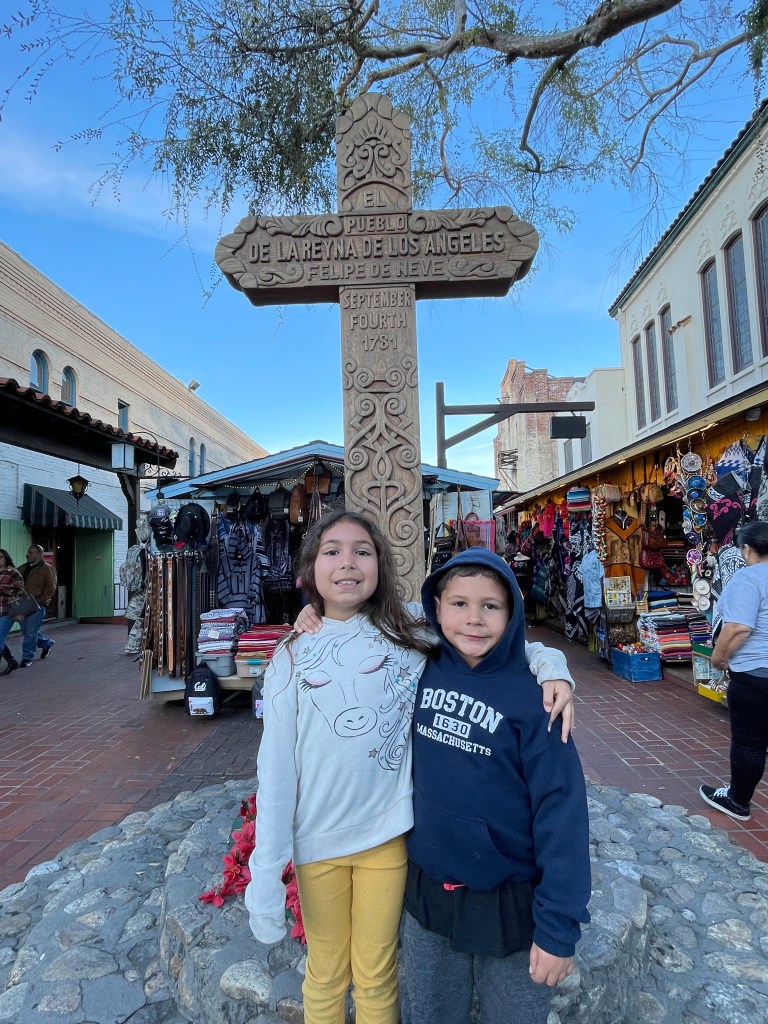
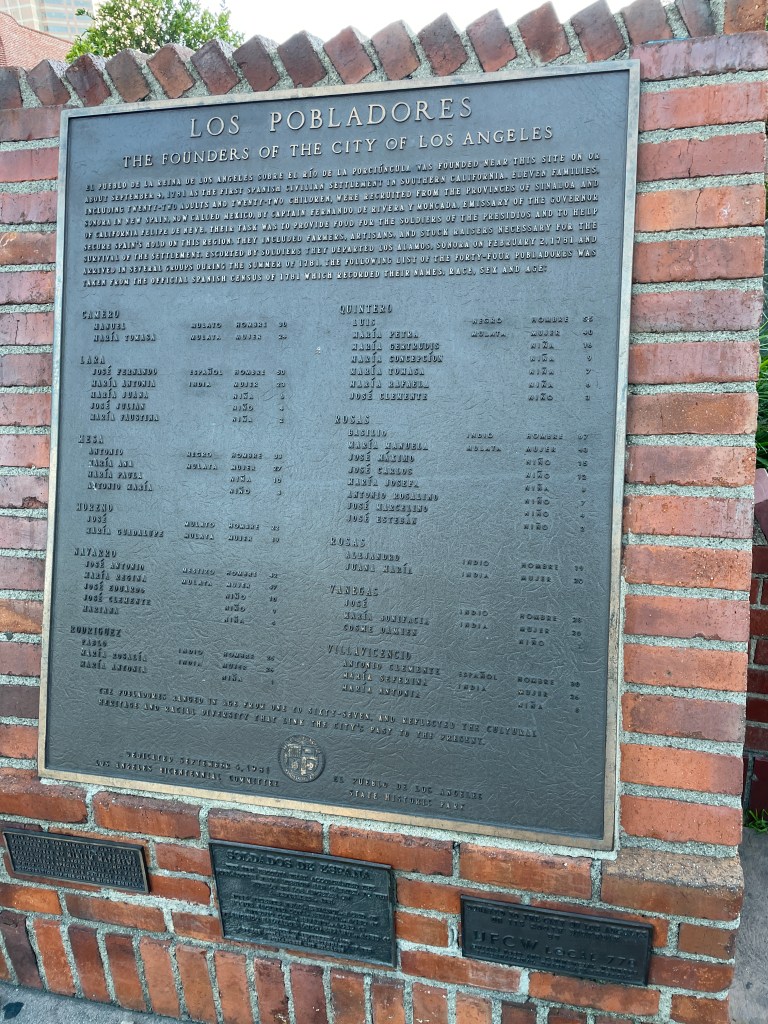
Calle Olvera is a historic district in downtown Los Angeles, established in 1781 when a group of Spanish settlers founded El Pueblo de Nuestra Señora la Reina de los Ángeles, the original settlement that would eventually become the sprawling city of Los Angeles. The street itself was named after Agustín Olvera, the first Superior Court Judge of Los Angeles County.
In the late 1920s, local activist Christine Sterling saw the potential for revitalizing the area, which had become neglected and dilapidated as the town expanded. In 1930, with the support of city officials and local businesses, she transformed Calle Olvera into a bustling marketplace and cultural center that celebrated the city’s Mexican heritage. Today, Calle Olvera is a vibrant, pedestrian-friendly destination filled with shops, restaurants, and historic sites.
Exploring Calle Olvera
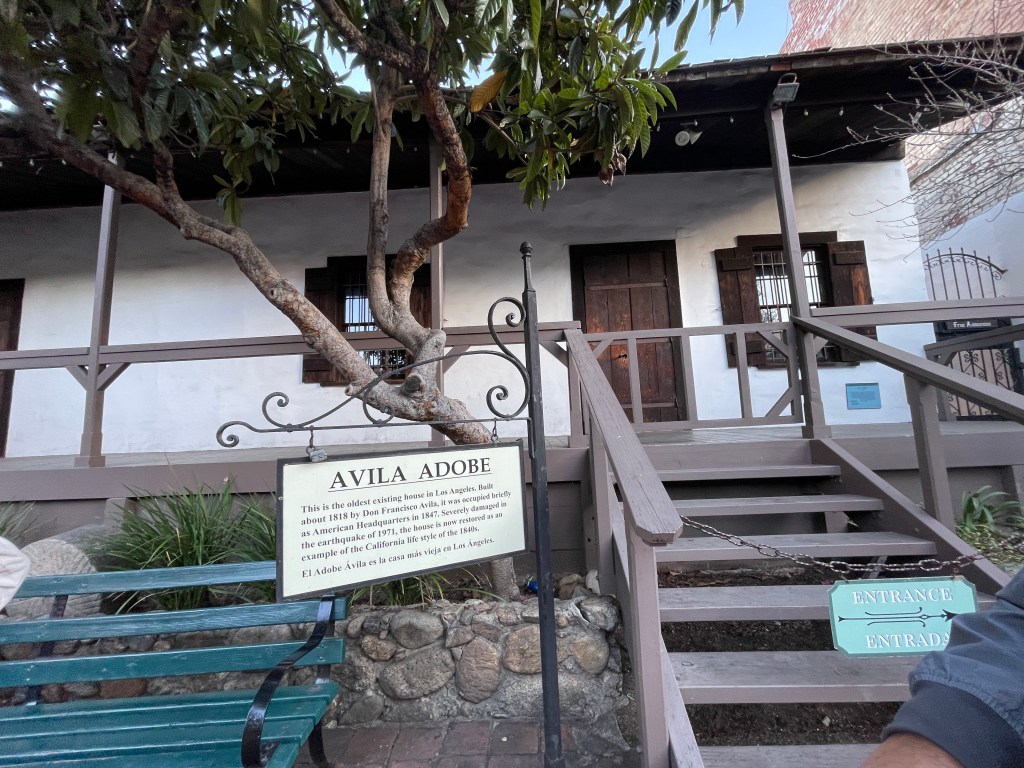
- Avila Adobe: As the oldest standing residence in Los Angeles, built in 1818, the Avila Adobe holds great historical significance. Today, it serves as a free museum, offering a glimpse into the life of early Californians. Be sure to explore its beautifully maintained rooms, courtyard, and garden.
- El Pueblo de Los Angeles Historical Monument: This 44-acre park encompasses the original Spanish settlement and includes several historic buildings, including the Sepulveda House, the Pelanconi House, and the Old Plaza Firehouse. It’s a great place to learn about the city’s history and the diverse cultures that have shaped it.
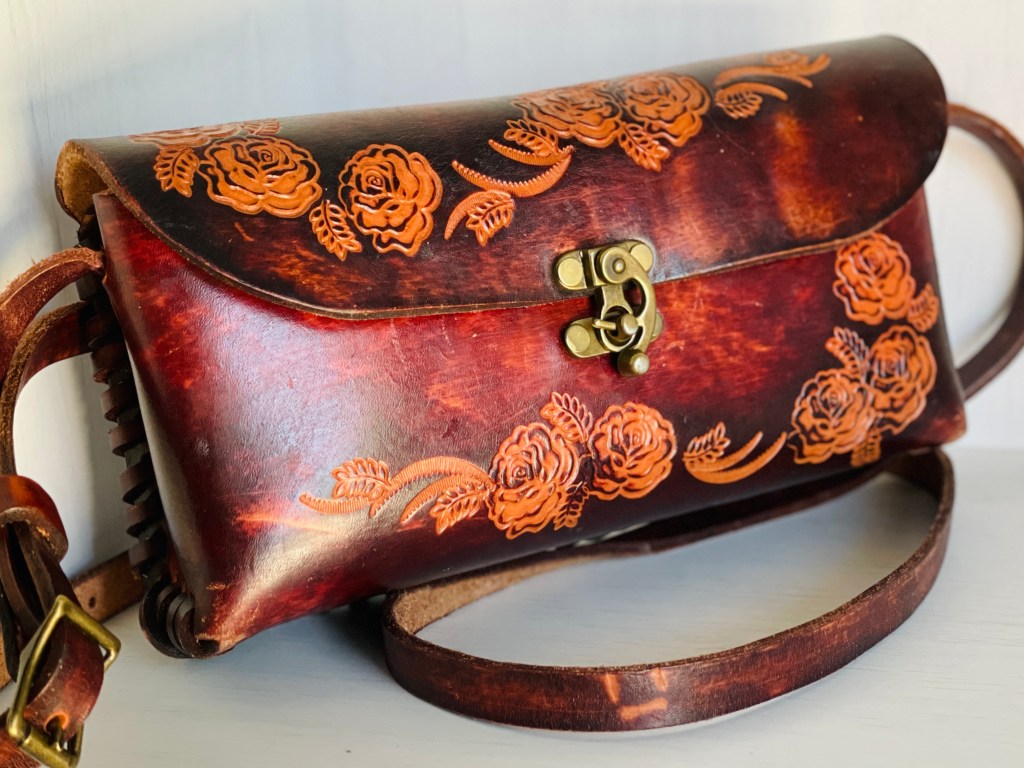
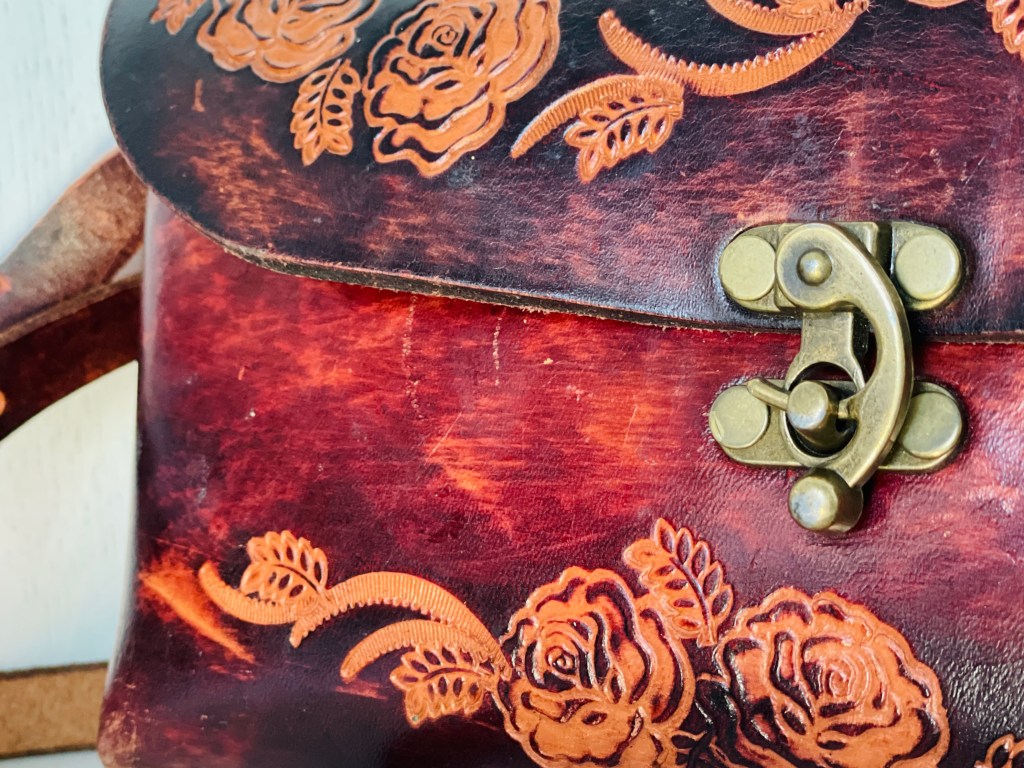
- Street Vendors and Artisans: One of the main attractions of Calle Olvera is the vibrant array of stalls and vendors offering a wide variety of authentic Mexican goods. You’ll find everything from colorful pottery, hand-woven textiles, and leather goods to folk art, jewelry, and souvenirs. One of our favorite artisans to shop at is Murillo Leather Goods. Armando Murillo is the owner and is a second-generation leather artisan. I purchased a beautiful purse made from Mexican leather cut, sliced, stamped, and tooled by his very hands.
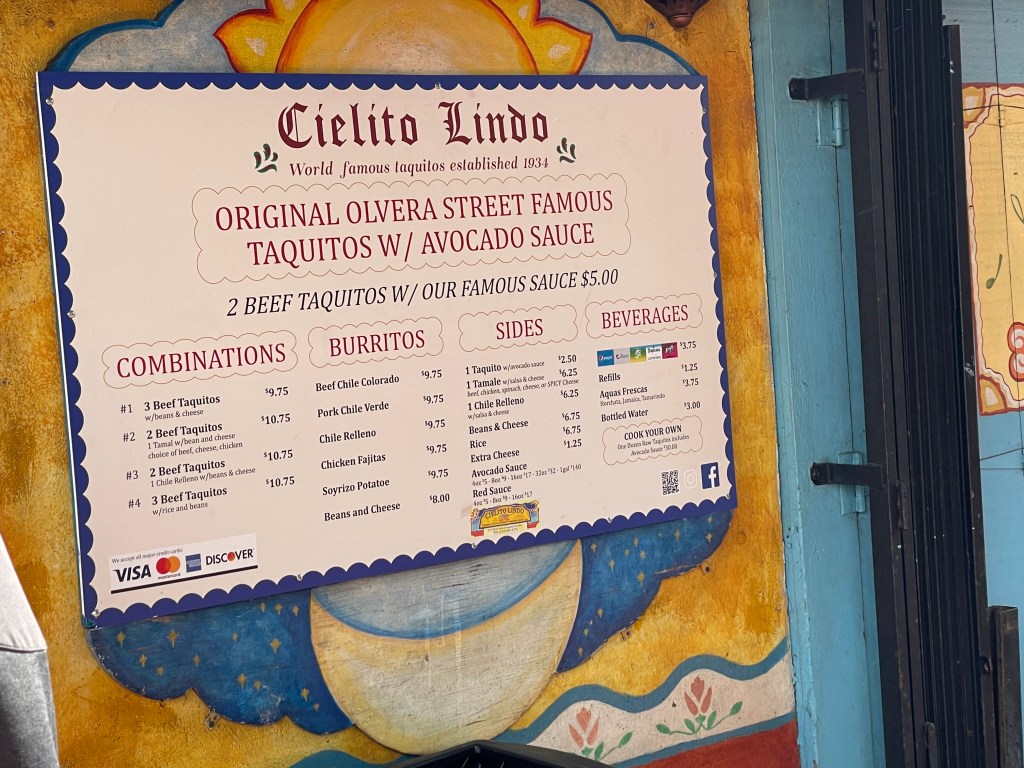
- Food: A visit to Calle Olvera wouldn’t be complete without indulging in some delicious Mexican cuisine. Whether you’re in the mood for a sit-down meal or a quick snack, there are plenty of options to choose from. Make sure to try the famous taquitos at Cielito Lindo,
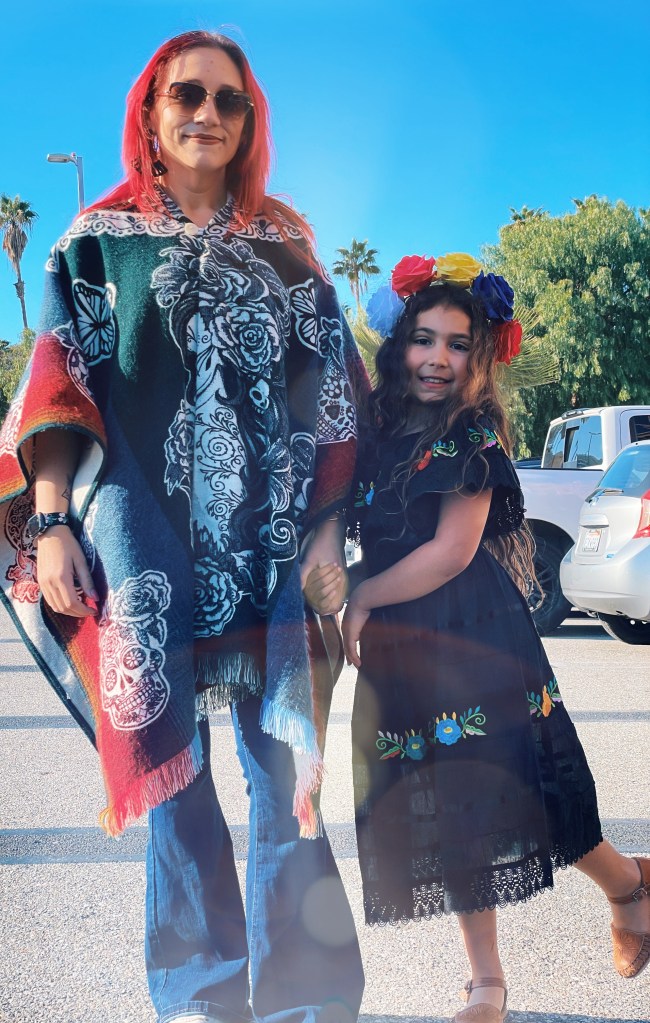
- Festivals and Events: Calle Olvera is home to several annual events and celebrations that showcase the rich Mexican heritage of Los Angeles. Notable events include the Blessing of the Animals, usually held the weekend before Easter, Las Posadas during the Christmas season, and Cinco de Mayo and Día de Los Muertos festivities.

Whether you’re a history enthusiast, a food lover, or simply someone seeking to soak up the lively atmosphere, Calle Olvera has something for everyone. It’s a melting pot of cultures, capturing the essence of Los Angeles’ diverse heritage.
Have you visited Calle Olvera? What was your favorite experience? Let me know in the comments!
 Our Neverending Footsteps